COVID-19 Update

Elsie Foster • April 6, 2020

Tenant and owner obligations during pandemic

The word covid-19 is written in gold letters on a black background.

   Recently released statistics show most tenants in Hawaii (and nationwide) have been able to make their April and May rent payments on time and in full. This was encouraging news for landlords who are still required to pay their maintenance fees and other expenses. However, there is still some confusion and false information circulating regarding current landlord and tenant responsibilities.


   Tenants are still obligated to pay the rent as per the Rental Agreement. While the landlord cannot currently evict a tenant, at this writing the courts are scheduled to be open again in July and landlords can move forward with evictions at that time. If the rental is under a Federal Housing Program, it falls under federal jurisdiction and

tenants cannot be evicted until after July 26, 2020.


   If the tenant is unable to pay the rent, there are several options available. A fast and easy approach is a payment plan with the landlord. An example would be to split the rent into six equal parts to be added to the next six months of rent. This will keep the tenant current and avoid eviction if the landlord is willing.


   There are also several community organizations with funds available to assist tenants with rent and utility payments. Contact the Aloha United Way at 211 for more information.


   Landlords may NOT turn off utilities or lock out a tenant. Landlords also cannot raise the rent during this time and should continue to maintain their properties. The requirements of the Fair Housing Act must always be followed.


   This information is not considered legal advice. If you need legal assistance or have questions, contact an attorney, The Legal Aid Society of Hawaii, or the State Office of Consumer Protection.  Communication is key between landlords and tenants while we navigate through these challenging times together.


landlord emergency costs  
property management  
rental property expenses  
unexpected repairs
January 31, 2026
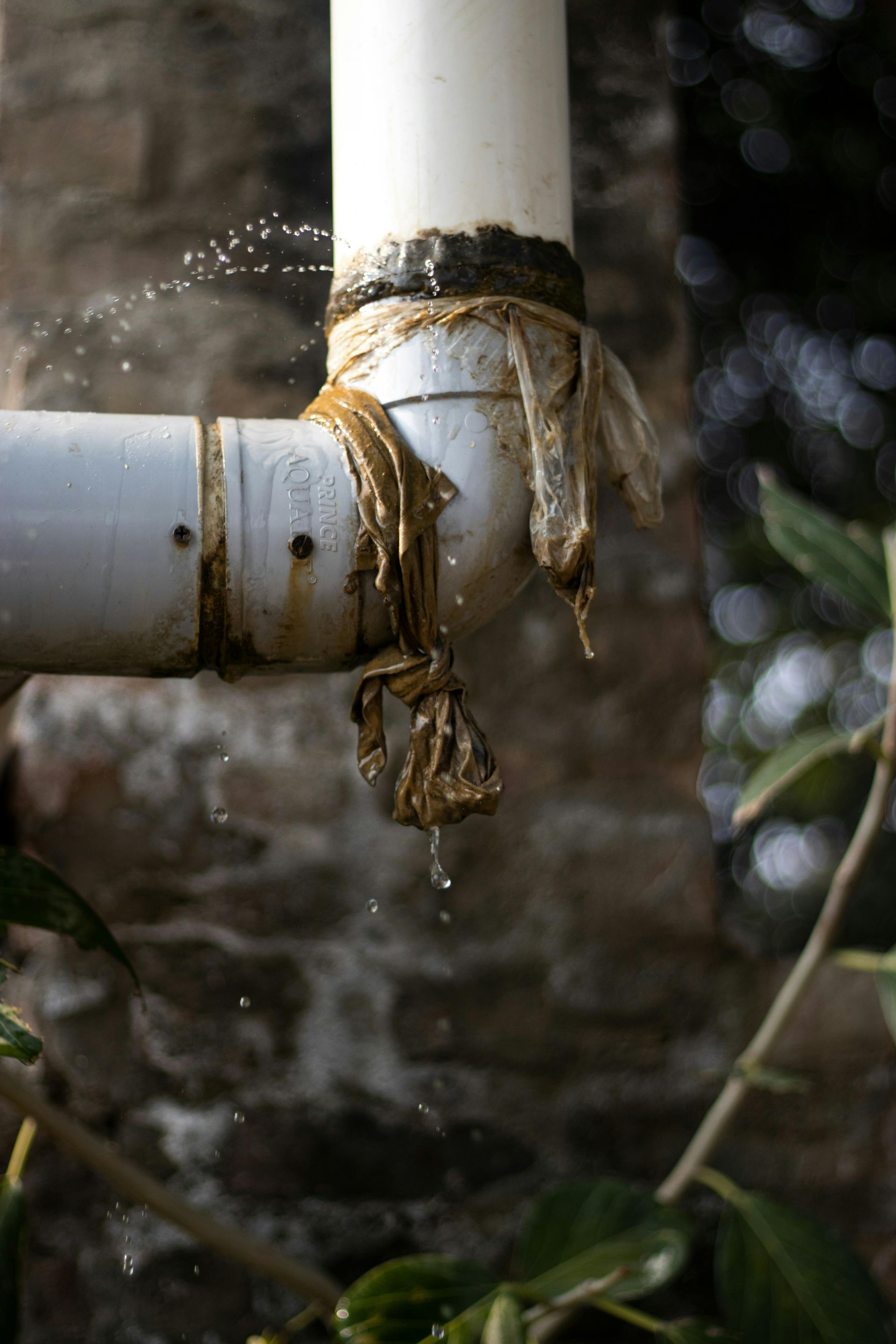
There are several things that first-time landlords often don’t consider when they buy a rental property. Take John, for example. He bought his first rental property thinking it would be simple: collect the rent each month, pay the mortgage, and pocket the rest. For the first few months, things went smoothly. But then the tenant lost his job, moved out early, and left the place a mess and without paying the last month’s rent. John spent his weekends cleaning up, only to have the water heater give out the next week. To make matters worse, his HOA sent him notice that maintenance fees were increasing by $100 a month. Unfortunately, John’s story isn’t unusual. Here are some ideas for aspiring landlords. No matter how strong the rental market seems, there will always be downtime between tenants. Smart landlords plan for one to two months of vacancy every year so they’re not blindsided when the rent stops coming in. Maintenance fees, property taxes, and insurance rarely stay the same. Landlord insurance costs more than a standard homeowner’s policy, and it’s important to build these rising expenses into your budget. Plumbing leaks, broken appliances, pest infestations—these are inevitable. Our salty air and humidity only speed up the wear and tear on properties. And then there are the big-ticket items: roofs, windows, or even foundation issues. A good rule of thumb is to set aside about 10% of the rent each month for repairs and maintenance.  Even the best tenants don’t always return a property in “move-in ready” condition. Repainting, landscaping, and other turnover costs are part of the cycle. New landlords sometimes forget to budget for professional services. From property managers to accountants to attorneys, having the right team can save you money in the long run. Landlords who succeed aren’t just collecting checks; they’re running a small business. The key is to expect the unexpected by planning for vacancies, rising costs, repairs, and turnover. If you budget wisely, set aside reserves, and treat your property like an investment instead of a gamble,
abandoned property  
abandoned homes  
vacant property  
property management  
distressed properties
January 31, 2026
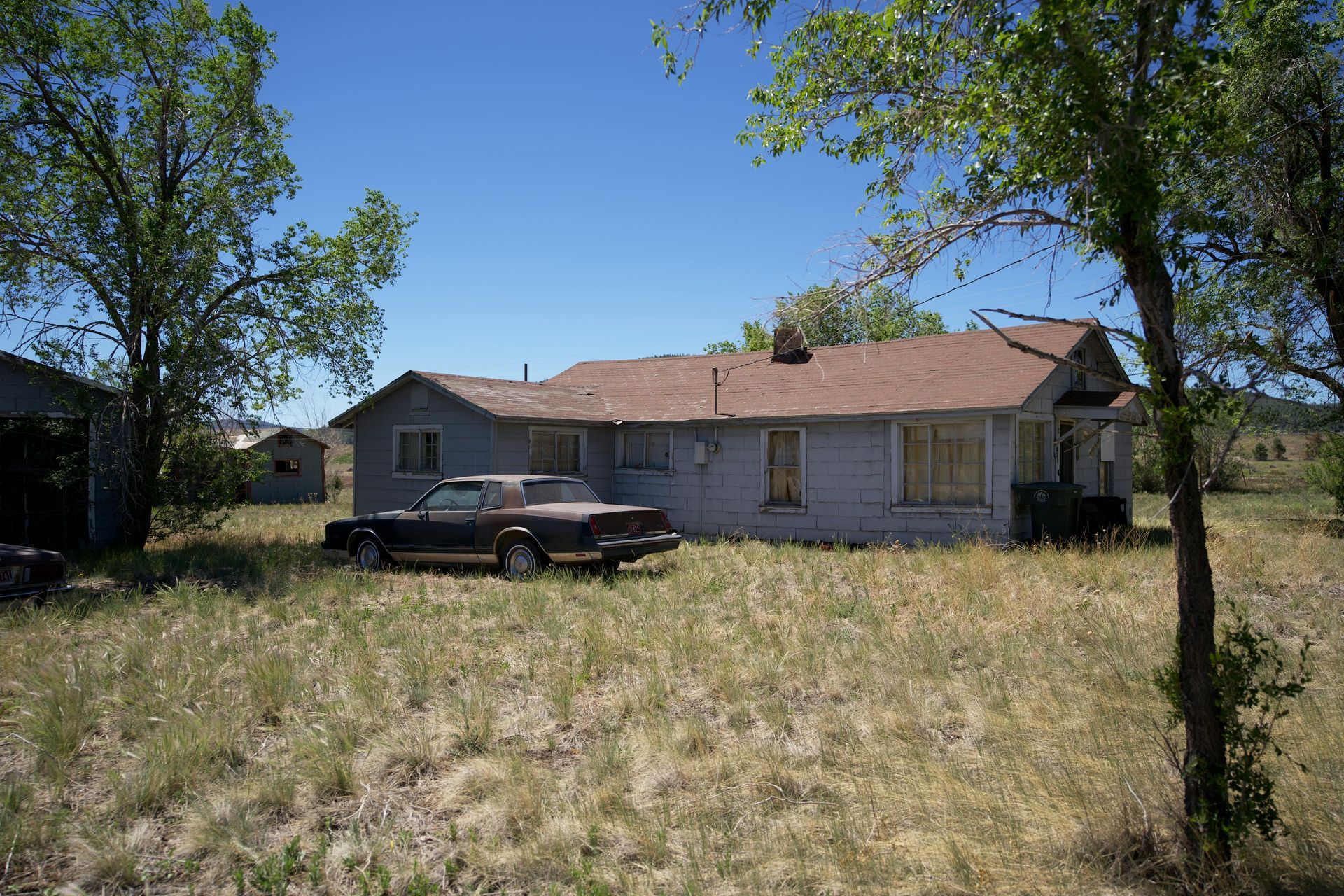
We have all seen them. The mailbox is leaning against the fence, stuffed with unopened letters and junk mail, and the grass is so tall it hides the front steps. No one’s been home for a long time. Every community has a house everyone drives past and wonders about. Perhaps the owner passed away, the family relocated to the mainland, or the bank has yet to complete the foreclosure. Whatever the reason, each abandoned home has a story to tell. In real estate, we often see homes frozen in time. Life has stopped, but the house waits. Sometimes, it happens suddenly, such as when a homeowner dies without a will or kupuna move into care. At other times, financial hardship leaves the property in limbo, neither sold nor properly maintained. Delays or disagreements can leave homes sitting vacant for years. On average, it takes approximately six years to complete the foreclosure process in Hawai’i.  In just a few months, stray cats move in, paint peels, vines climb walls, and everything seems to rust in the salt air. For neighbors, the sight of an abandoned home can be heartbreaking and upsetting, as these overgrown lots often attract pests, dumping, and trespassing, including squatters who occupy them for illegal activity, which can persist for years. However, even the worst can be brought back to life with patience and vision. If there’s an abandoned property on your street, don’t look away. Report safety issues and stay involved. And if you’re a homeowner, take steps now to keep your property out of limbo by creating a will or trust and communicating with your family. These small steps can prevent your home from becoming another boarded-up property in the neighborhood.
By Sylvia Foster April 26, 2025
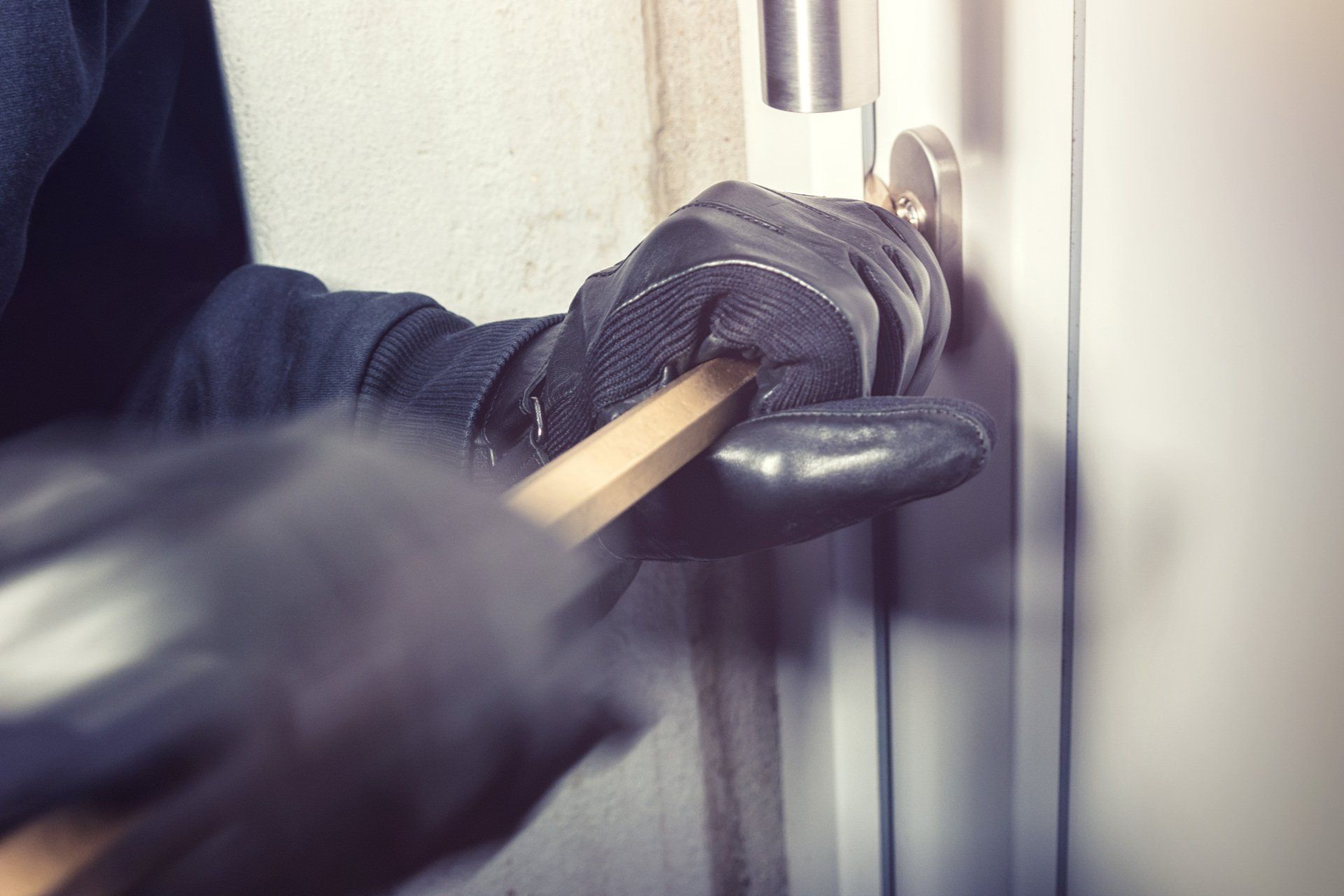
Be aware of these sophisticated criminals!
April 25, 2025
How to stand out from the crowd!
June 24, 2024
Protect your home from thieves
A blue and white realtor logo on a white background.
May 20, 2024
The media is not telling the whole story.
A red percent sign on a white background.
December 21, 2023
Interest Rates and Real Estate
A hammer , pliers , screwdriver , wrench , tape measure and screws are sitting on a table.
July 17, 2023
You can do it yourself!
A person is using a calculator on a wooden table.
July 17, 2023
Where do you find the correct information?
A person is holding a small wooden house in their hands.
June 16, 2023
Which generation are you?