"We Buy Houses"

December 22, 2022

Legit or scam?

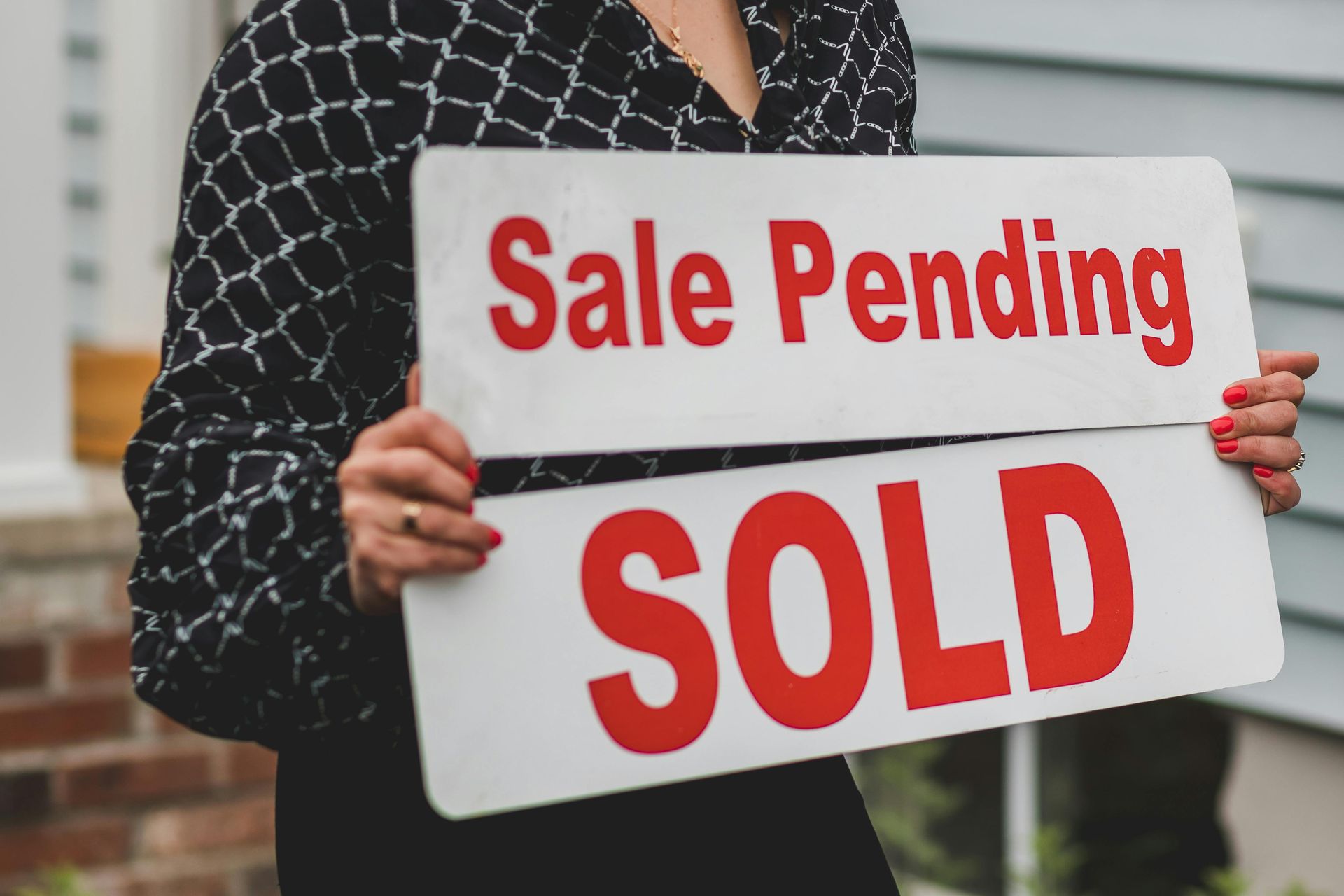
There are “We Buy Houses Fast” or similar signs on many street corners in our neighborhoods and you may have wondered what they are about and if it is a scam. 


The short answer is maybe it is, maybe it is not. Legitimate buyers that post these signs are  “flippers” who are looking for homes in disrepair or poor condition that the owner will sell for a price below market value.  This can be advantageous for the homeowner who needs to get out of the property quickly and does not have the ability or desire to do any repairs needed for a buyer to obtain financing. 


One of the worst scams involves a buyer convincing the homeowner to sign over the title to the property.  The buyer then rents it out and pockets all of the rent money while nobody is paying the mortgage.  This can go on for years until the property goes into foreclosure and the scam is revealed. 


Another popular tactic used by con artists is to send the seller a check that is far more than the amount of the sale.  They immediately ask for a refund of the difference before the check clears.  The check will bounce of course and the homeowner has lost the money that was sent back. 


Other scams include asking the homeowner to pay a fee for the potential buyer to evaluate the property.  If someone asks for money to look at your property or wants to buy it without even seeing it, back away.  A seller should not have to pay for anything upfront.  It is also a red flag if they are rushing you or trying to get you to sign a contact right away. Never sign a deed outside of escrow and always reach out to a real estate professional if you have questions or are uncomfortable. 


Remember that if it sounds too good to be true, it probably 

landlord emergency costs  
property management  
rental property expenses  
unexpected repairs
January 31, 2026
There are several things that first-time landlords often don’t consider when they buy a rental property. Take John, for example. He bought his first rental property thinking it would be simple: collect the rent each month, pay the mortgage, and pocket the rest. For the first few months, things went smoothly. But then the tenant lost his job, moved out early, and left the place a mess and without paying the last month’s rent. John spent his weekends cleaning up, only to have the water heater give out the next week. To make matters worse, his HOA sent him notice that maintenance fees were increasing by $100 a month. Unfortunately, John’s story isn’t unusual. Here are some ideas for aspiring landlords. No matter how strong the rental market seems, there will always be downtime between tenants. Smart landlords plan for one to two months of vacancy every year so they’re not blindsided when the rent stops coming in. Maintenance fees, property taxes, and insurance rarely stay the same. Landlord insurance costs more than a standard homeowner’s policy, and it’s important to build these rising expenses into your budget. Plumbing leaks, broken appliances, pest infestations—these are inevitable. Our salty air and humidity only speed up the wear and tear on properties. And then there are the big-ticket items: roofs, windows, or even foundation issues. A good rule of thumb is to set aside about 10% of the rent each month for repairs and maintenance.  Even the best tenants don’t always return a property in “move-in ready” condition. Repainting, landscaping, and other turnover costs are part of the cycle. New landlords sometimes forget to budget for professional services. From property managers to accountants to attorneys, having the right team can save you money in the long run. Landlords who succeed aren’t just collecting checks; they’re running a small business. The key is to expect the unexpected by planning for vacancies, rising costs, repairs, and turnover. If you budget wisely, set aside reserves, and treat your property like an investment instead of a gamble,
abandoned property  
abandoned homes  
vacant property  
property management  
distressed properties
January 31, 2026
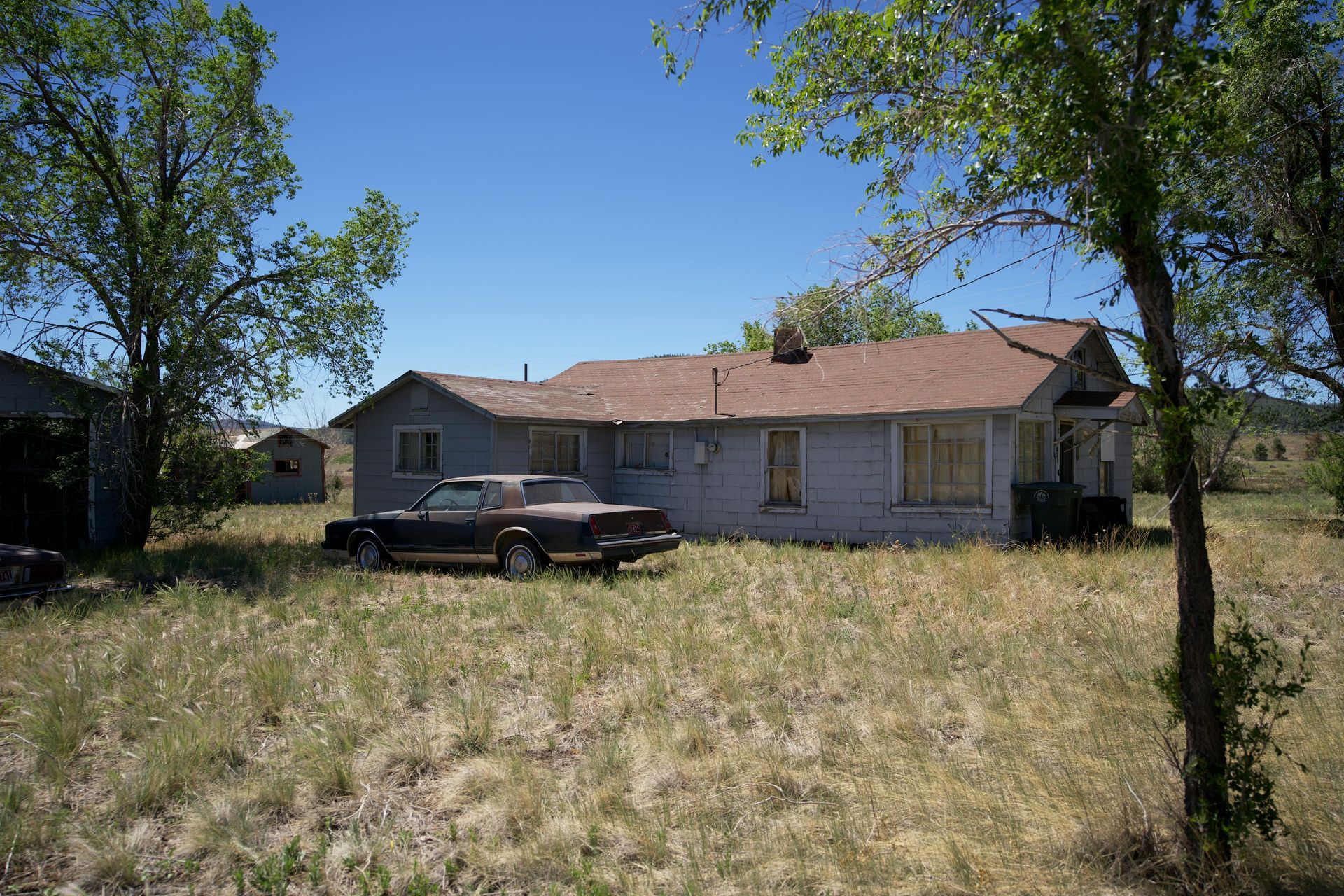
We have all seen them. The mailbox is leaning against the fence, stuffed with unopened letters and junk mail, and the grass is so tall it hides the front steps. No one’s been home for a long time. Every community has a house everyone drives past and wonders about. Perhaps the owner passed away, the family relocated to the mainland, or the bank has yet to complete the foreclosure. Whatever the reason, each abandoned home has a story to tell. In real estate, we often see homes frozen in time. Life has stopped, but the house waits. Sometimes, it happens suddenly, such as when a homeowner dies without a will or kupuna move into care. At other times, financial hardship leaves the property in limbo, neither sold nor properly maintained. Delays or disagreements can leave homes sitting vacant for years. On average, it takes approximately six years to complete the foreclosure process in Hawai’i.  In just a few months, stray cats move in, paint peels, vines climb walls, and everything seems to rust in the salt air. For neighbors, the sight of an abandoned home can be heartbreaking and upsetting, as these overgrown lots often attract pests, dumping, and trespassing, including squatters who occupy them for illegal activity, which can persist for years. However, even the worst can be brought back to life with patience and vision. If there’s an abandoned property on your street, don’t look away. Report safety issues and stay involved. And if you’re a homeowner, take steps now to keep your property out of limbo by creating a will or trust and communicating with your family. These small steps can prevent your home from becoming another boarded-up property in the neighborhood.
By Sylvia Foster April 26, 2025
Be aware of these sophisticated criminals!
April 25, 2025
How to stand out from the crowd!
June 24, 2024
Protect your home from thieves
A blue and white realtor logo on a white background.
May 20, 2024
The media is not telling the whole story.
A red percent sign on a white background.
December 21, 2023
Interest Rates and Real Estate
A hammer , pliers , screwdriver , wrench , tape measure and screws are sitting on a table.
July 17, 2023
You can do it yourself!
A person is using a calculator on a wooden table.
July 17, 2023
Where do you find the correct information?
A person is holding a small wooden house in their hands.
June 16, 2023
Which generation are you?